
Okay, so check this out—I’ve been poking around Solana wallets for a while, and somethin’ about a web-native Phantom keeps tugging at me. Whoa! Web wallets promise instant access, zero installs, and far fewer barriers for newcomers. Really? Yes, but there are trade-offs you feel in your gut the first time a dApp asks for a signature and your browser pops up a permission modal that looks suspiciously like a phishing page. My instinct said “be careful”, and then I started digging into what a web Phantom could and should be.
Short version: a web Phantom changes onboarding. It flips the funnel. New users hit a URL and they’re in. That matters because Solana’s UX advantage is speed, and removing an extension install removes friction. Hmm… though actually, wait—let me rephrase that: access is easier, but the security model shifts. Initially I thought the web equals convenience only, but then I realized the web version introduces different attack surfaces that extension-based wallets avoid.
Here’s the thing. Browser contexts are messy. One page can inject scripts, iframes, third-party trackers, and sometimes very clever social engineering. Seriously? Yes. On one hand, web wallets can sandbox keys using secure iframes or WebCrypto in a Service Worker; on the other hand, you’re trusting the same browser that runs sketchy ads and browser extensions with broad permissions. I tried a prototype demo here and the first impression was wow—smooth flow, instant account creation—very very polished. But something felt off about the permission UX. It didn’t make me feel 100% in control.
How the architecture differs — and why it matters
Extensions live in a separated extension context. That’s their superpower. Medium risk surface. Web wallets convene everything in the same browsing context. Long story short: you can design robust isolation using iframes, origin checks, and postMessage channels, though those are complex to get right long-term. Initially I thought you could just port the extension code to the web and call it a day, but then I realized authentication, key storage, and recovery become different engineering problems.
For storage, a web Phantom can use IndexedDB or localStorage with encryption keys derived from a passphrase, or it can integrate with hardware-backed solutions like WebAuthn. On Solana, fast transaction confirmation means less time for the user to second-guess a malicious signature, so UX design needs to surface intent quickly and clearly. Oh, and by the way, multi-account flows still feel clunky in a pure web model unless you design account switching as a first-class primitive.
Another nuance: session persistence. With an extension, your session can persist across tabs. In the web model you must balance the desire for persistence versus the risk of leaving keys unlocked. My gut says to favor short sessions with smooth re-auth, but product teams often prefer persistent logins for conversion metrics. I’m biased, but that tension bugs me.
Okay, productized features: deep linking, wallet adapters, and Wallet Adapter standards on Solana become even more critical. If a dApp expects a global window.solana object, a web wallet should provide one consistently and securely. That means clearly defined APIs, strict origin allowlists, and user-visible prompts that show exactly what data and permissions are requested.
Security best practices—practical stuff. Always show transaction details in plain language, highlight the destination address, and show a USD equivalence when possible. Provide a “reject all” quick button. Implement rate limits on signing requests to avoid signature spam attacks. And make hardware wallet integration seamless, because people who care about security will still want a cold key option. On the other hand, requiring hardware across the board will hurt adoption—so there’s a trade-off.
Developer experience matters too. Web wallets must integrate with the Solana Wallet Adapter ecosystem so dApps don’t need special-case logic. A smooth adapter means devs ship faster and dApps behave consistently across wallets. But the catch: adapter hygiene is an ongoing maintenance burden. Standards shift, Solana features evolve, and the wallet code needs continuous updates. It’s not a one-and-done job.
Cost and decentralization concerns pop up as well. Hosting a web wallet involves backend services—analytics, relay servers, maybe even relayers for transaction batching. Those services create central points of failure. Decentralization aficionados will push back. On one hand, small centralized services can massively improve UX; on the other, they reintroduce single points of censorship or outage.
Let’s talk recovery. Seed phrases are brutal UX. A web wallet can offer social recovery, custodial recovery, or Shamir’s Secret Sharing. Each approach has pros and cons. Social recovery lowers immediate risk of loss but raises privacy and trust questions. Shamir is elegant but complex for non-technical users. So there’s no perfect answer—only trade-offs and product choices.
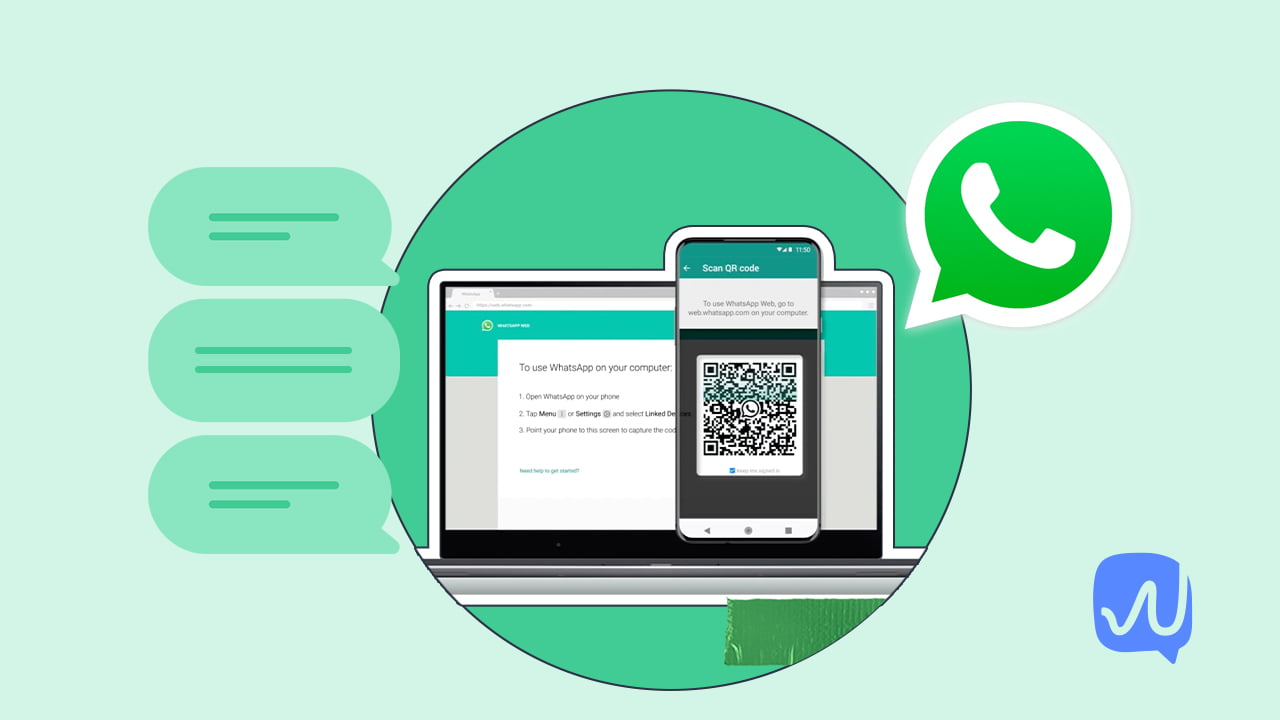
Onboarding edge cases. Device-switching and cross-device signing are pain points. Web wallets can offer QR-based session transfers or link-based auth. Those flows need to be frictionless or users will abandon them. I remember watching a friend try to transfer a session via QR and fail three times. She gave up. Small things matter. Tiny UX delays equal big drop-offs.
FAQ
Is a web Phantom as secure as the extension?
Short answer: not inherently. The web model introduces different risks. With careful engineering—secure origins, WebAuthn, hardware integration, and strong UX for signatures—you can reach comparable safety for most users, though power users may still prefer hardware plus extension.
Will web wallets replace extensions?
Maybe for casual users. Many will favor web-first experiences for convenience. Advanced users and those who value isolation will keep extensions or hardware wallets. Both can coexist; they serve different needs. On one hand, mass adoption likes simplicity. On the other hand, security is nuanced.
What should dApp developers do differently for web wallets?
Design for explicit user consent, assume delayed user reaction time, and provide clear transaction intent. Integrate with standardized adapters and test across real web wallet implementations. And don’t rely on implicit browser guarantees—explicitly confirm critical actions with the user.
Bottom line: a well-built web Phantom can lower barriers and bring new users to Solana without sacrificing too much security, but there’s no free lunch. You trade one set of protections for others, and the onus is on designers and engineers to make those trade-offs responsibly. I’m not 100% sure how fast this will evolve, though I expect iterative improvements and some neat hybrid models—service workers, hardware signers, and clever UX patterns that make signing less scary.
I’ll be honest: parts of this excite me and other parts make me uneasy. Still, progress is happening. If you wanna see a working demo and judge for yourself, check it out here. Seriously, give it a spin and tell me what bugs you—I’m curious.